
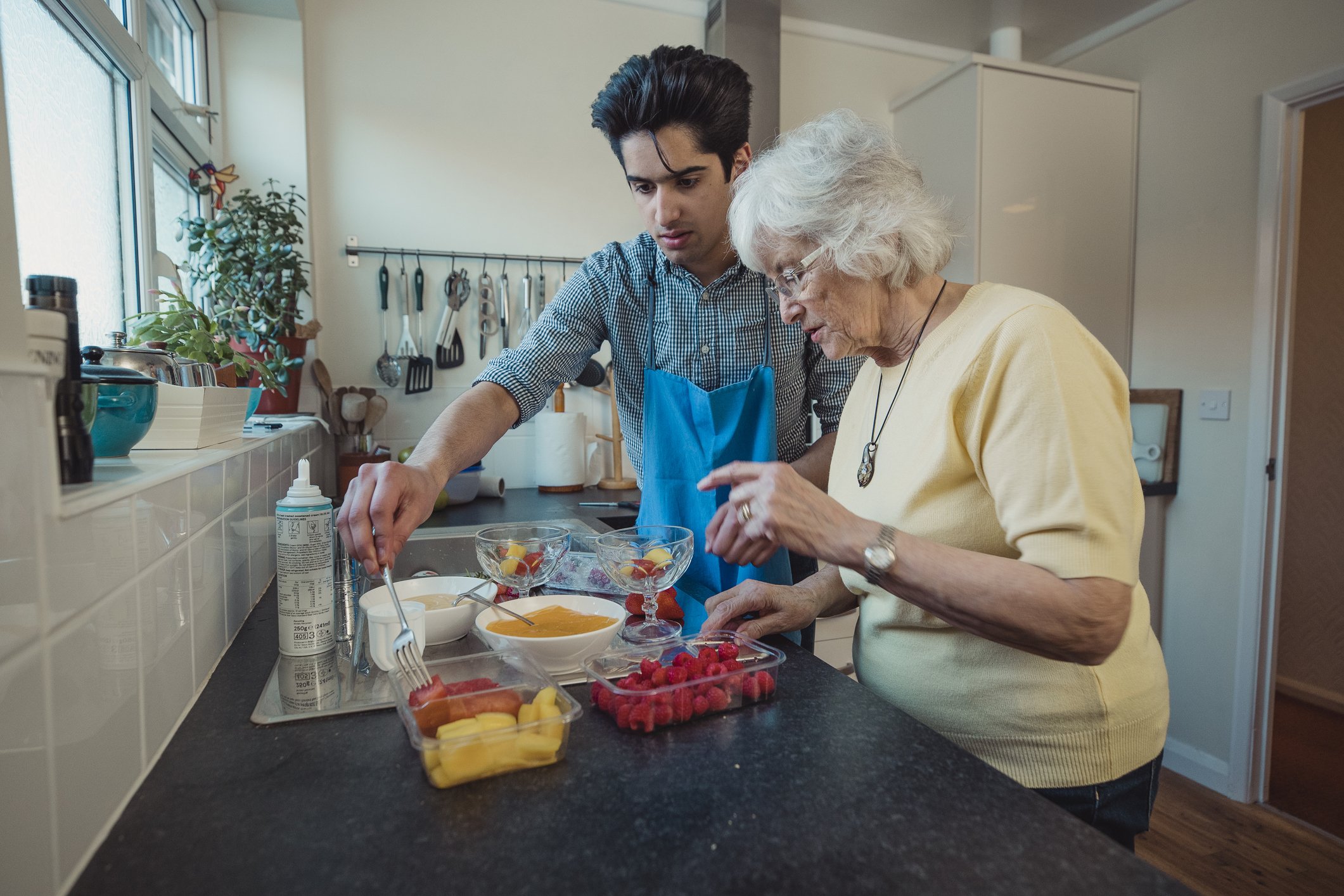
The Emotional Impact of Nursing Home Care on Residents and Families
Moving a loved one into care is a significant life event. It brings a mix of emotions for everyone involved. Families often feel relief knowing their relative is safe, yet guilt or sadness might linger. Guests transitioning into care might feel uncertainty about leaving their familiar surroundings. Recognising these feelings is the first step toward a positive experience.

The Role of Physiotherapy in Nursing Home Care
Physiotherapy plays a huge role in keeping older adults healthy and happy. It helps maintain strength, reduces pain, and improves overall movement. Integrating physiotherapy into care plans supports guests' recovery and general wellbeing, making daily life more enjoyable.

Benefits of 24-Hour Nursing Care for Elderly Residents
Finding the right support for an elderly loved one often feels overwhelming. Families must balance the desire for a comfortable, home-like environment with the need for serious medical support. For many, a standard residential home may not provide sufficient clinical oversight. This is where the concept of continuous nursing support for elderly residents becomes vital. It bridges the gap between hospital care and living at home, ensuring safety and comfort are always top priorities.

The Importance of Personalised Care Plans in Nursing Homes
Moving into a new living situation is a significant change for both families and their loved ones. Everyone wants to ensure their relative receives the best possible support during this transition. That’s where a personalised care plan enters the picture. It serves as the foundation for an individual’s high standard of living. Each and every person brings a unique history and specific set of requirements with them when they entering nursing. Acknowledging these differences and finding ways to centre the care around those differences improves the quality of life for older people immensely.

How to Involve Family in a Loved One’s Nursing Home Care
Transitioning a loved one into a residential or nursing setting marks a significant new chapter for the entire family. While it brings assurance of professional support, it is natural to wonder how your role will evolve. At Wentworth Grange, we believe that family involvement in a care home is essential to overall wellbeing. Maintaining these cherished connections is fundamental to a resident's happiness, well-being, and sense of self.
This guide offers practical ways to remain a central part of your loved one's life, fostering a collaborative partnership with their care team and ensuring they continue to feel your unwavering support.

Nutrition and Dining Options in Nursing Homes
When we think about luxury hospitality, our minds often drift to crisp linens, concierge services, and perhaps most importantly, fine dining. At Wentworth Grange, we believe that moving into a residential setting shouldn't mean leaving those pleasures behind. In fact, we see dining as one of the daily highlights. It's a time for social connection, comfort, and culinary delight.

What to Expect During a Nursing Home Care Assessment
Moving into a new residential setting is a significant step, and much like a luxury hotel, we believe in getting to know our guests from the very beginning. The journey to joining a new community like Wentworth Grange starts with a thoughtful conversation known as a care needs assessment.
This initial meeting helps us understand how we can provide the best possible support, allowing you to live comfortably and happily. This guide explains the care home assessment process, what it involves, and how you can prepare, ensuring your transition is as smooth and pleasant as possible.

How Technology is Improving Care in Nursing Homes
Technology in nursing homes is not about replacing the human touch; it's about amplifying it. By automating routine tasks and providing deeper insights into health, these systems empower our nursing team to dedicate more quality time to what truly matters: connecting with residents and providing compassionate, person-centred care. Let’s explore some of the digital care home innovations making a significant impact.

Understanding the Role of Nurses in Residential Care Homes
Choosing a care home is a weighty decision. Families often look at the building, the location, and the activities offered. While these are important, the quality of nursing care is one of the most vital elements for a loved one's well-being. This article explains what nurses in care homes do and why their work is so important. Understanding residential care nursing helps families appreciate the skill and compassion required. It also shows what to look for when selecting a care home for a loved one.

How to Tell if Someone Needs Nursing Care at Home or a Facility
Deciding when and where a loved one should receive nursing care can feel overwhelming. You may notice slight changes at first, such as a missed meal, a fall, or confusion about medication. These moments often leave families wondering if it's time to consider professional support. Understanding the signs someone needs a care home, and weighing home care vs nursing home care, helps you make the best choice possible. Our staff at Wentworth Grange are here to answer any questions or concerns you may have. With our guide, you'll be better equipped to spot the key indicators that signal for more support. It's our goal to ensure you feel confident about deciding on nursing care that respects your loved one's dignity and quality of life.

How to Transition a Loved One to Nursing Home Care
Deciding to move a loved one into care is a significant and often emotional choice for any family. It brings up many questions about how to make the change as smooth and positive as possible. This guide offers practical nursing home placement advice and care home transition support for families facing this situation. The following steps cover both the emotional and logistical sides of the process.

What is Palliative Care in Nursing Homes?
Talking about serious illness and end-of-life care for someone you love is never easy. These conversations bring up difficult emotions and challenging decisions. However, understanding palliative care can transform how you view this chapter. Palliative care in a nursing home focuses on comfort, dignity, and quality of life. It provides comprehensive support that goes far beyond medical treatment alone. It addresses physical symptoms, emotional well-being, and spiritual needs.

How Social Events Are Good for the Elderly at Retirement Homes
Life in a retirement home can be just as full and fulfilling as any other stage of life, especially when there’s friendship, laughter, and a sense of belonging. Across the UK, care and retirement homes are placing more focus than ever on social activities for elderly residents, knowing that connection is as vital to wellbeing as good food or comfort.

Things to Do with People with Dementia: Creative & Comforting Activities for People Living With Dementia
Finding the right activities for dementia can bring joy, connection, and confidence to those living with memory loss. Whether at home or in a care setting, meaningful activities help people feel valued, reduce anxiety, and maintain a sense of purpose.
Across the UK, carers and families are discovering that the best moments often come from simple, everyday pleasures, a familiar song, a walk in the garden, or a shared cup of tea. The key is to keep things personal, flexible, and filled with genuine warmth. Here are some dementia friendly activities that can spark smiles and strengthen bonds.

The Best Ways to Communicate With Someone With Dementia
When a loved one develops dementia, everyday conversations can become more difficult, but connection is still possible and deeply meaningful. Understanding the best ways to communicate helps you stay close, reduce frustration, and create a calmer environment for everyone involved.
Across the UK, families are learning that the right approach to communication can transform how they relate to someone living with dementia. Here are some practical dementia communication tips to make conversations gentler, clearer, and more reassuring.

How to Make Sure You Pick the Right Care Home for Your Loved One (5 Areas That Are Important to Check)
Choosing a care home for a loved one in Northumberland is one of the most important decisions you’ll ever make. It’s not just about location or facilities, it’s about trust, comfort, and peace of mind. With so many care homes in the UK, knowing where to start can feel daunting. To make things easier, here’s a practical guide to the five areas that matter most when choosing the best care home for your loved one.

What Makes a Good Care Home?
Choosing a care home for yourself or a loved one represents life's most significant decisions. The quality of care, safety standards, and overall environment can dramatically impact wellbeing and happiness during this important transition. Understanding what distinguishes an excellent care home from an average one empowers families to make informed choices that truly serve their needs. The right care home should feel like a genuine one—where residents thrive rather than simply receive basic care. This means looking beyond glossy brochures and marketing materials to examine the fundamental qualities that create a nurturing, dignified living environment.

What to Expect from Respite Care for Elderly
Caring for an elderly family member can be both rewarding and exhausting. Sometimes, you need a break to recharge, attend to other responsibilities, or take care of your well-being. That's where respite care comes in—a valuable service that provides temporary relief for caregivers while making sure your loved one receives quality care and support. Understanding what respite care involves and what you can expect helps you make informed decisions about your family's needs. As you read below, we'll walk you through the essentials of elderly respite care services and how they can benefit you and your loved one.

What Causes Dementia?
Dementia affects over 900,000 people across the UK, yet many families only begin learning about this condition when it touches their lives directly. Understanding what causes dementia can help us make informed decisions about our health and care for our loved ones. As you read below, we'll explore the biological and environmental factors contributing to cognitive decline, highlighting practical steps to reduce your risk.

Notice the Early Signs of Dementia
Noticing changes in a loved one's memory or behaviour can be deeply concerning. While occasional forgetfulness is normal as we age, persistent changes that interfere with daily life may signal something more serious. Understanding the early signs of dementia can make all the difference in getting timely support and maintaining quality of life for patients and their families. Dementia affects over 900,000 people in the UK, with numbers expected to rise significantly in the coming decades. Recognising these warning signs early allows families to seek professional evaluation, access appropriate care, and plan for the future, whilst their loved one can still participate in important decisions.